
Iran’s Escalating Tensions: A Global Economic and Geopolitical Fallout

 Prefer us on Google


Key Takeaways
- Iran launched “Khaibar” missiles aimed at Israeli political and military centers, marking the tenth round of strikes.
- The continuous Middle Eastern conflict is influencing global economic indicators, spiking oil prices and affecting treasury yields.
- Geopolitical tension is reshaping alliances, with reports of Germany considering military aid to the U.S. in the ongoing conflict.
- Financial markets remain volatile as global risk aversion pushes investors toward safe-haven assets like gold and the U.S. dollar.
WEEX Crypto News, 2026-03-03 18:28:08
The Evolving Geopolitical Landscape in the Middle East
Iran’s Bold Military Actions and Their Implications
On March 2nd, the Islamic Revolutionary Guard Corps of Iran made headlines by launching “Khaibar” missiles directed at symbolic Israeli targets, including the Prime Minister’s Office and pivotal military locations. This attack denotes the ongoing tension between these two adversaries, marking the tenth successive missile exchange between the nations. Despite the immediate frenzy, the long-term implications of these strikes remain unclear, as both sides process the consequences and strategize retaliatory measures.
Escalation and Diplomatic Strains
Such acts signify a deeper rift not just between Iran and Israel, but echo through the Middle East, influencing alliances and military strategies. One particularly provocative development reported by Israeli sources is Israel’s potential ground offensive near the Lebanese boundary. This maneuver underscores a strategic shift in establishing defense lines, revealing a propensity for broader regional conflict.
Economic Repercussions: Oil Prices and Inflation Fears
The escalating conflict has rippled across global markets, primarily influencing oil prices, which have surged in response to increased instability in oil-rich regions. As a direct consequence, inflation fears are mounting, placing pressure on various economies, most notably within the eurozone and the United States. The heightened oil prices are further driving up costs across sectors, placing additional burdens on nations already grappling with financial recoveries post-global disruptions.
Rainer Guntermann of Commerzbank suggests that thus far, market reactions remain somewhat controlled despite the turmoil. However, rising oil prices could potentially alter this stability, especially as European bond yields adjust and threats of military confrontations loom. Germany’s 10-year government bond yield rose quietly by 1.5 basis points reaching 2.665%, reflecting an undercurrent of market nervousness.
Military and Economic Alliances
Adding a layer of complexity, reports from Iranian and Israeli sources highlight potential shifts in global alliances. The U.S. Consulate General in Erbil’s dramatic destruction symbolizes the tangible ramifications of geopolitical discord. Rumors also circulate about Germany’s possible entry into the fray, considering direct military involvement or extensive support to the United States, indicative of deepening international involvement and the potential extension of theater operations beyond the Middle East.
Market Dynamics and Safe-Haven Assets
The current geopolitical climate stokes volatility in global financial markets, driving cautious investors toward traditionally stable assets. Despite the risks exacerbated by Middle Eastern tensions, the U.S. dollar has shown resilience, gaining strength against major currencies amid swap traders’ adjustments to expected Federal Reserve rate cuts. The currency’s performance reveals investor sentiment looking for security in uncertain times.
According to Gareth Berry from Macquarie Group, the extended rise in oil prices suggests a potential recalibration of the Fed’s monetary strategy regarding interest rates, emphasizing prudence amidst growing economic detractions.
Simultaneously, as other safe-haven currencies like the yen and Swiss franc show vulnerabilities, gold has notably risen, with trading rates breaching $5,400 per ounce. This leap marks a salient movement toward secure investments, reflecting broader risk aversion. As traders pivot away from more volatile commodities and equities, gold stands as a bastion of confidence for prudent investors navigating swirling unpredictability.
Stock Market Volatility and Sectoral Impacts
European stocks, predictably influenced by the geopolitical crisis, have opened on weaker footing. Germany’s DAX index and the Euro Stoxx 50 index both registered significant losses, cascading beyond 2%, while France’s CAC40 and the UK’s FTSE 100 index demonstrated more modest declines. Spain’s IBEX35 bore the brunt with a rapid intraday drop of over 3%.
The ongoing conflict has introduced multiple uncertainties that could shape futures, ranging from regional energy stability, political collaboration, and financial market fluctuations. As investors brace for potential aftershocks, the environment underscores the delicate balance between economic interests and geopolitical interventions.
A Look at Potential Outcomes and Strategic Considerations
In conclusion, the tapestry of Middle Eastern geopolitical turmoil paints a complex picture of regional aspirations clashing with global economic frameworks. As alliances are forged or tested in this crucible, the enduring impact on trade, security strategies, and financial stability warrants continuous monitoring. While governments and businesses adjust to this evolving landscape, stakeholders are urged to consider both immediate and longer-term variables in their strategies for resilience amidst uncertainty.
The realignment of global ideological and military alliances against the backdrop of economic pressures reveals a multi-layered conflict narrative. The situation calls for global attentiveness, as strategic decisions made by powerful nation-states could reshape the world’s economic and security paradigms for decades.
Frequently Asked Questions
Has there been any diplomatic engagement following these missile strikes?
So far, there has been no official announcement regarding renewed diplomatic negotiations directly related to these particular strikes. Historical precedence shows that such engagements are typically initiated through broader international diplomatic channels, often bolstered by global powers suggesting mediation.
How might oil prices impact consumer goods?
Increased oil prices can raise the costs of transportation and production, which cascades into higher pricing for consumer goods. This inflationary effect usually takes a few months to materialize, but energy-intensive industries often experience immediate cost pressures.
What is the significance of safe-haven assets in this scenario?
Safe-haven assets like gold and the U.S. dollar are sought after during times of geopolitical stress as they are considered to harbor less risk compared to other investments. Their rising demand signals broader market risk aversion.
Could this conflict extend beyond the Middle East?
Should tensions escalate further or draw in additional countries, the potential exists for widened military engagements beyond the primary regional boundaries. Historically, entrenched alliances and mutual defense agreements can expand regional conflicts into broader confrontations.
How are European markets expected to react in the longer term?
In the near term, European markets may remain volatile with investors adjusting portfolios in response to emerging data. Longer-term reactions will heavily depend on the trajectory of geopolitical developments and their economic repercussions, as well as coordinated responses from governments and central banks.
Disclaimer: This content is provided for general branding and informational purposes only and doesn't constitute financial, investment, legal, or tax advice. Any events, rewards, online events, or related information mentioned herein should not be considered a recommendation, solicitation, or invitation to purchase, sell, trade, or otherwise deal in any crypto assets or to use any services. Crypto assets are highly volatile and may result in loss. WEEX services and online events may not be available in all regions and are subject to applicable laws, regulations, and eligibility requirements. You are responsible for ensuring that your use of WEEX services complies with local laws and for carefully assessing the risks before participating in any crypto-related activities.
You may also like

Home Robot NEO Grows "Dexterous Hands": How Do Hands Become the API to the Physical World?

What is SCEX? The Cryptocurrency Exchange for Vietnam's Market by Sacombank
Major Update for ChatGPT: Cross-Platform Functionality, One-Click Website Creation, and Lower Costs
BTC Challenges 64,000 After Breaking 63,000, Market Trading 'Manageable Risks'
As the Bubble Bursts, Who Dominates Attention in the AI Era? A 2026 Guide to Influential AI KOLs in China and the UK

Old Money in Crypto Shifts: Paradigm Raises $1.2 Billion, Half Bet on AI and Robotics

Bitdeer unveils $36M Nevada factory to shake up Bitcoin mining
Perplexity Fine-Tuned a Chinese AI Model to Match Claude Opus 4.8 at One-Third the Cost
Bank of Korea defends bank-first stablecoin plan amid bill deadlock
JPMorgan says bitcoin's main risk isn't Strategy, but blockchain adoption that doesn't benefit public chains and tokens
Fear & Greed Index Today: What Extreme Fear Means for Crypto, Stocks and Gold
Labour MPs Push to Make UK Crypto Donation Ban Permanent
Supreme Court ruling expanding Trump's authority over federal agencies raises questions for SEC, CFTC as crypto rulemaking advances
'Bottom building in progress': Analysts say bitcoin holder capitulation signals late-stage bear market
A Comprehensive Analysis: Starting from 1996, Who is Laying the Foundation for the Next Generation of Capital Markets
Luke Dashjr, the Biggest Anti-Spammer of Bitcoin, Inscribed Phrases on the Network in 2011

Whales bought 270,000 BTC while ETFs bled $7 billion. One side is wrong

The crypto IPO class of 2025-26 is down as much as 89%. Autopsy of a listing boom
Robinhood Chain Mining Guide: A Comprehensive Tutorial from Cross-Chain to Memecoin
BitGo CEO says single-digit percentages of bitcoin's supply are 'probably right' for large holders amid Strategy's sale
Beyond Private Keys: How to Safeguard the Security Boundaries of Web3 from Wallets, L2 to Supply Chains?
Vanguard Enters the Market, Opening a New Crypto Gateway for 50 Million Traditional Investors

Why the OUSD Alliance of 150 Companies Still Cannot Shake USDT and USDC?
Citigroup Analysis: Is There Still 47% Upside for Nvidia? Can Rubin and CPO Deliver?
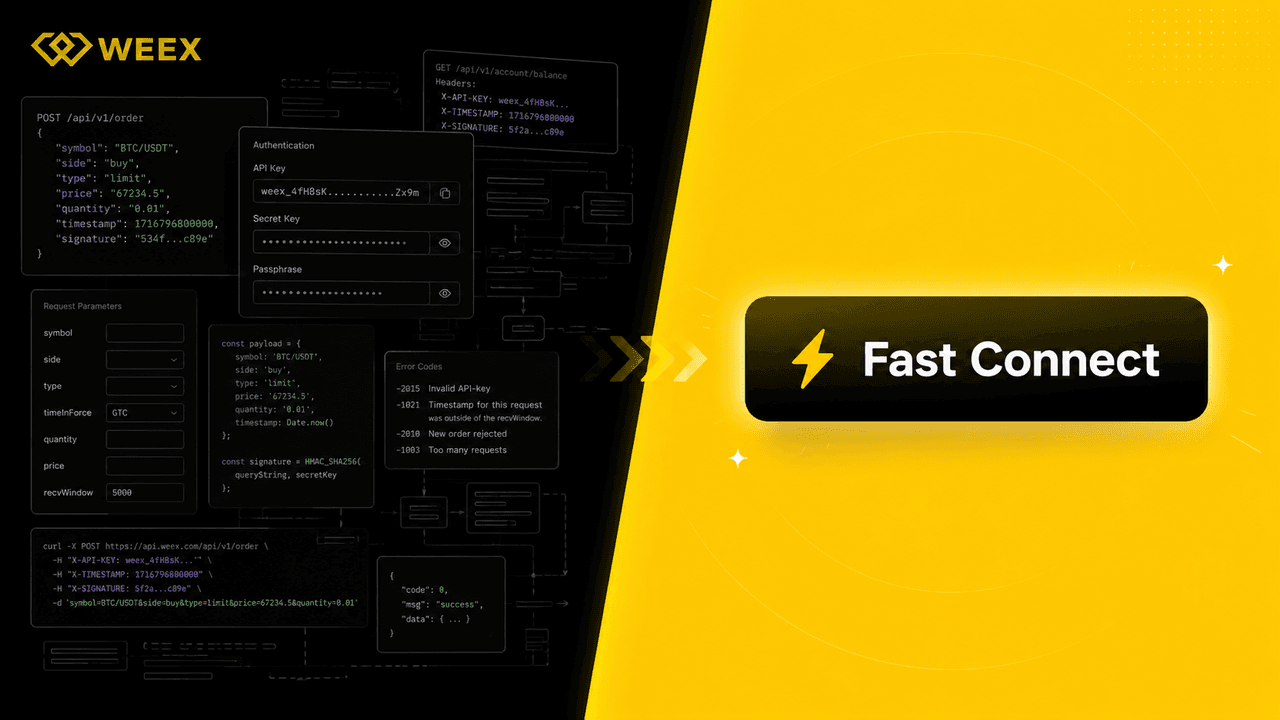
WEEX API Fast Connect: Turn Every Sign-In Into a Live Trader in Under 10 Seconds
WEEX API Fast Connect is a one-click OAuth authorization system that lets your users link their WEEX account without ever touching an API key. Frictionless onboarding, faster conversions, higher retention — built for WEEX Broker partners.
Bitcoin's dwindling exchange reserves don't pack the same bullish punch anymore

From Le Mans to the Rollercoaster: Carl Moon Takes On Portimão
Crypto world renowned KOL and racing driver Carl Moon, backed by WEEX, heads to the Ferrari Challenge Portugal round at the Algarve International Circuit, July 16–19, fresh off a podium finish at Le Mans. Here's why this race is one to watch.
Fast execution. Split-second accuracy. Security that never blinks. That's WEEX — and that's exactly how Carl races.

The Downfall of a Public Company: A $1.46 Billion Bet on WLFI, $540 Million Went to the Trump Family
Dragonfly Partner: BTC is Intergenerational Wealth, Optimistic About ETH and SOL
Goldman Sachs Calls to Go Long on Chinese AI: $4 Trillion Market Value Behind, Global Funds Only Allocated 1.2%
Home Robot NEO Grows "Dexterous Hands": How Do Hands Become the API to the Physical World?
What is SCEX? The Cryptocurrency Exchange for Vietnam's Market by Sacombank
Major Update for ChatGPT: Cross-Platform Functionality, One-Click Website Creation, and Lower Costs
BTC Challenges 64,000 After Breaking 63,000, Market Trading 'Manageable Risks'
As the Bubble Bursts, Who Dominates Attention in the AI Era? A 2026 Guide to Influential AI KOLs in China and the UK
Old Money in Crypto Shifts: Paradigm Raises $1.2 Billion, Half Bet on AI and Robotics